

Woolf, Malta

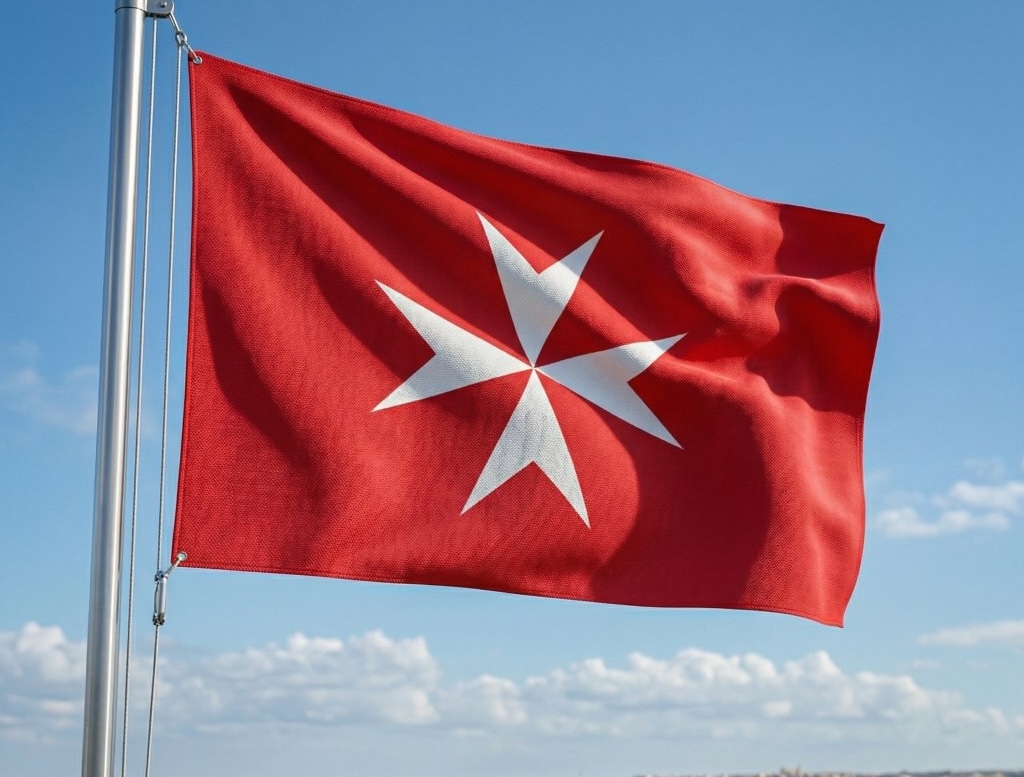
Maltese flag

Woolf is a licensed, degree-granting Higher Education Institution in Malta (license number 2019-015), accredited by the Malta Further and Higher Education Authority (MFHEA). Woolf awards degrees within established European regulatory frameworks, including the European Union and the European Higher Education Area.

Malta Further and Higher Education AuthorityBologna ProcessEuropean Higher Education AreaEuropean CommissionMalta
Woolf governance teamWoolf governance teamWoolf governance teamWoolf governance teamWoolf governance team

Governance and Leadership

Woolf's leadership team combines academic and operational expertise within a comprehensive governance framework, ensuring global educational excellence, regulatory compliance, and institutional integrity.

Institutional governance includes:

President providing academic leadership and strategic direction
Administration team managing operations, compliance, and student services
Faculty Council representing all active faculty as the primary academic governance body
Comprehensive compliance structure spanning MFHEA, EU, and data protection requirements

Academic Oversight Committees

Woolf's academic excellence is maintained through specialized committees that provide expert oversight, strategic guidance, and quality assurance across all institutional activities.

Key oversight bodies:

Woolf Academic Advisory Council (WAAC) providing strategic guidance and accreditation support
Quality Assurance, Enhancement, and Technology Alignment Committee (QAETAC)
Faculty Council with elected committee representatives
Academic Finance Committee overseeing institutional financial governance
Academic oversight committee meeting

European Credit Transfer System (ECTS)

All Woolf (MT) degrees are issued with ECTS credits. ECTS accreditation is the most sophisticated, widely recognized accreditation system in the world.

ECTS standards, following the European Standards and Guidelines 2015 (ESG 2015) are validated by an approved regulatory authority.

The Malta Further and Higher Education Authority (MFHEA), which is partially funded by the European Commission and European Union, implements ESG 2015 with the aim of further promoting quality in further and higher education. In September 2019, the Malta Further and Higher Education Authority (MFHEA) (previously the National Commission for Further and Higher Education (NCFHE)) licensed Woolf as a degree-granting, accredited, Higher Education Institution. This license is recognized within the European Qualifications Framework (EQF) and allows for transportability of higher education credits and degrees within the European Union. Malta is a member of the Bologna Process and the European Higher Education Area (EHEA). Programs with ECTS accreditation via Woolf are specifically designated as such.

In Europe, Woolf is a Higher Education Institution and is not licensed as a “university,” which is a specially reserved term. As a licensed Higher Education Institution, Woolf is able to offer bachelor’s, master’s, and doctoral degrees with the same status as issued by a “university.” Woolf now has over 400 doctoral students and an active research community. In time, Woolf may seek the title of “university,” a matter of prestige rather than accreditation, as its publishing and research outputs continue to grow.

Europass European Union

All Woolf degrees are listed on the European Union’s EUROPASS website, and all transcripts are issued with EUROPASS supplements to facilitate degree mobility.

Council of Europe and UNESCO

Woolf degrees are recognized by more than 60 countries, including those who are under treaty obligation as signatories to the Lisbon Recognition Convention. The full list of signatory countries can be found on the United Nations website and the Council of Europe website.

European Higher Education Area

The European Higher Education Area (EHEA) today comprises 49 member countries - more than just Europe. All the Higher Education Institutions in the EHEA use the European Credit Transfer System (ECTS), providing a shared framework for accrediting courses and degrees.

Bologna Process

The Bologna Process names the agreements which harmonize the accreditation standards of Europe. The process created not only the EHEA, but also the European Credit transfer System. Initially this was a system to transfer credits between institutions, and later it became the standard way to refer to the credits themselves, such as '90 ECTS credits'.

European Commission

The European Commission is the executive branch of the European Union. It is responsible for proposing legislation, enforcing EU laws and directing the Union's administrative operations, including education initiatives and policy-making. It oversees the ECTS system. All EHEA countries have adopted the European Standards and Guidelines (ESG 2015).

Malta Further & Higher Education Authority

ECTS standards are validated by an approved local regulatory authority. Woolf is licensed by the Malta Further and Higher Education Authority (MFHEA), which implements the ESG 2015 with the aim of further promoting quality in further and higher education.

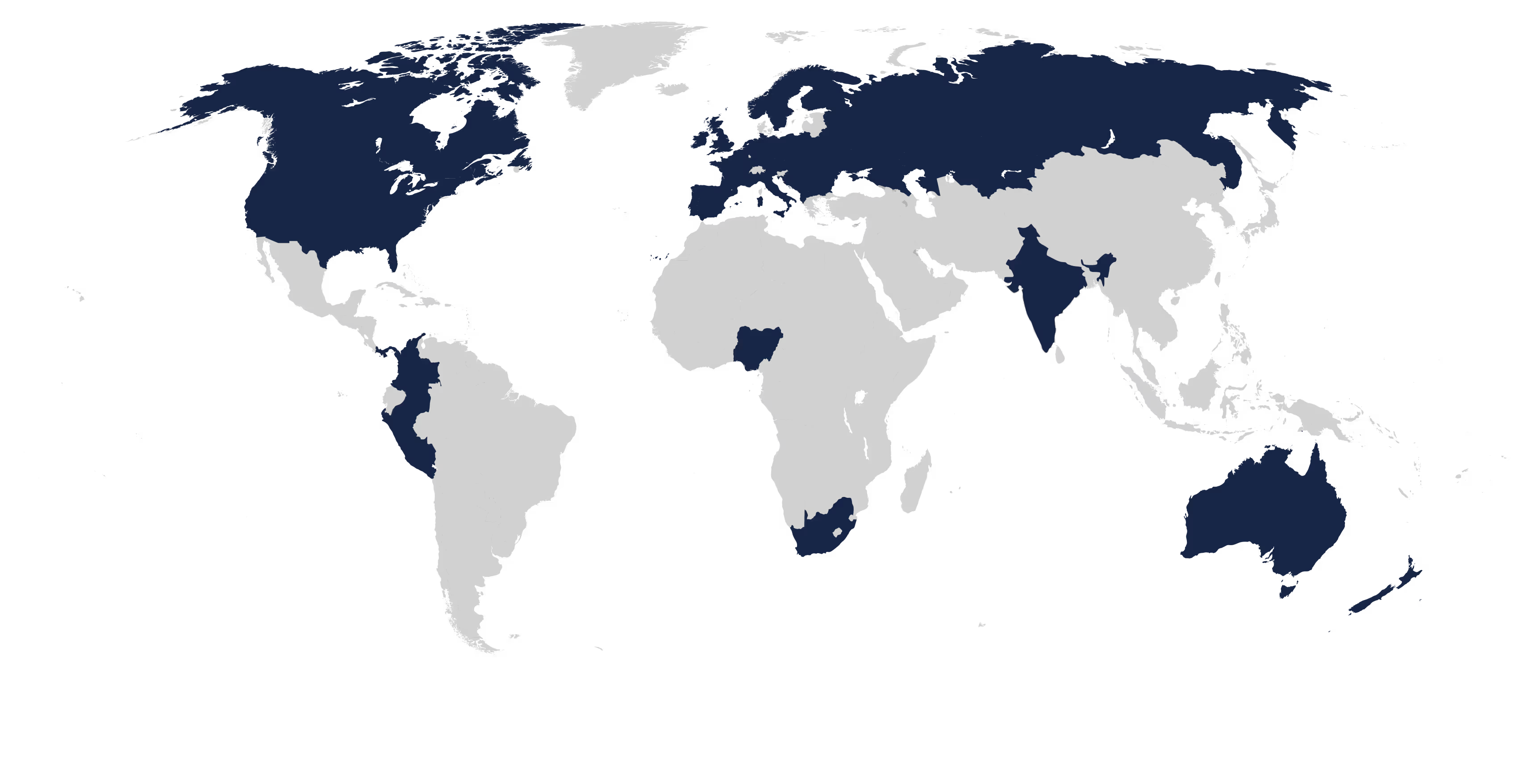
World map showing global degree mobility reach

Global Degree Recognition and Mobility

Woolf's degrees are designed for international portability. Built within the ECTS framework and supported by Woolf's broader degree mobility resources, they help graduates present their qualifications clearly across borders for further study, employment, and credential review.

Woolf degrees are:

  • Aligned with major international qualification frameworks for clear cross-border comparability
  • Supported by country-specific recognition and credential evaluation guidance across 50+ countries
  • Useful for further study, employer verification, and many immigration-related pathways
  • Listed on the EU's EUROPASS website with ECTS credits
  • Recognized through credential evaluation in the United States and Canada
  • Recognized in 60+ countries under the Lisbon Recognition Convention
Aerial view of a city at the base of forested mountains

Comprehensive Quality Standards

Woolf's quality assurance framework aligns with European Standards and Guidelines (ESG 2015), ensuring consistent academic excellence across all programs and colleges.

The framework encompasses:

Rigorous faculty qualification requirements (research doctorate at MQF Level 8)
Systematic curriculum review and approval processes
External stakeholder consultation in program design
Continuous improvement through QAETAC oversight

International Memberships

Official member of ICDE (International Council for Open and Distance Education)
Official member of EDEN Digital Learning Europe
Full member of EURASHE (European Association of Higher Education Institutions)
Universities Worldwide
Alternative Education Resource Organization
World Higher Education database

EURASHE

Woolf is an full member of EURASHE, a European association promoting the voice of applied universities and representing over 600 higher education institutions.

EDEN Digital Learning Europe

Woolf is an official member of EDEN Digital Learning Europe. It exists to share knowledge and improve understanding amongst professionals in distance and e-learning and to promote policy and practice across the whole of Europe and beyond.